Vanilla chia pudding is a simple yet powerful addition to your daily routine. Essentially, it’s a creamy, satisfying treat made by soaking chia seeds in liquid, allowing them to expand and form a gel-like consistency. This humble pudding matters because it provides a gentle way to boost your intake of fiber and healthy fats, which can contribute to sustained energy and a feeling of fullness throughout the day. It’s particularly relevant for individuals seeking convenient, wholesome breakfast or snack options that are easy to prepare and enjoy. This article will explore the basics of vanilla chia pudding, including its key ingredients and the general benefits of incorporating it into your diet. We’ll also touch on simple ways to customize it to suit your preferences, offering a supportive guide to making this nutritious choice a regular part of your wellness journey.
Vanilla Chia Pudding: A Simple Path to Everyday Wellness
What is Vanilla Chia Pudding?
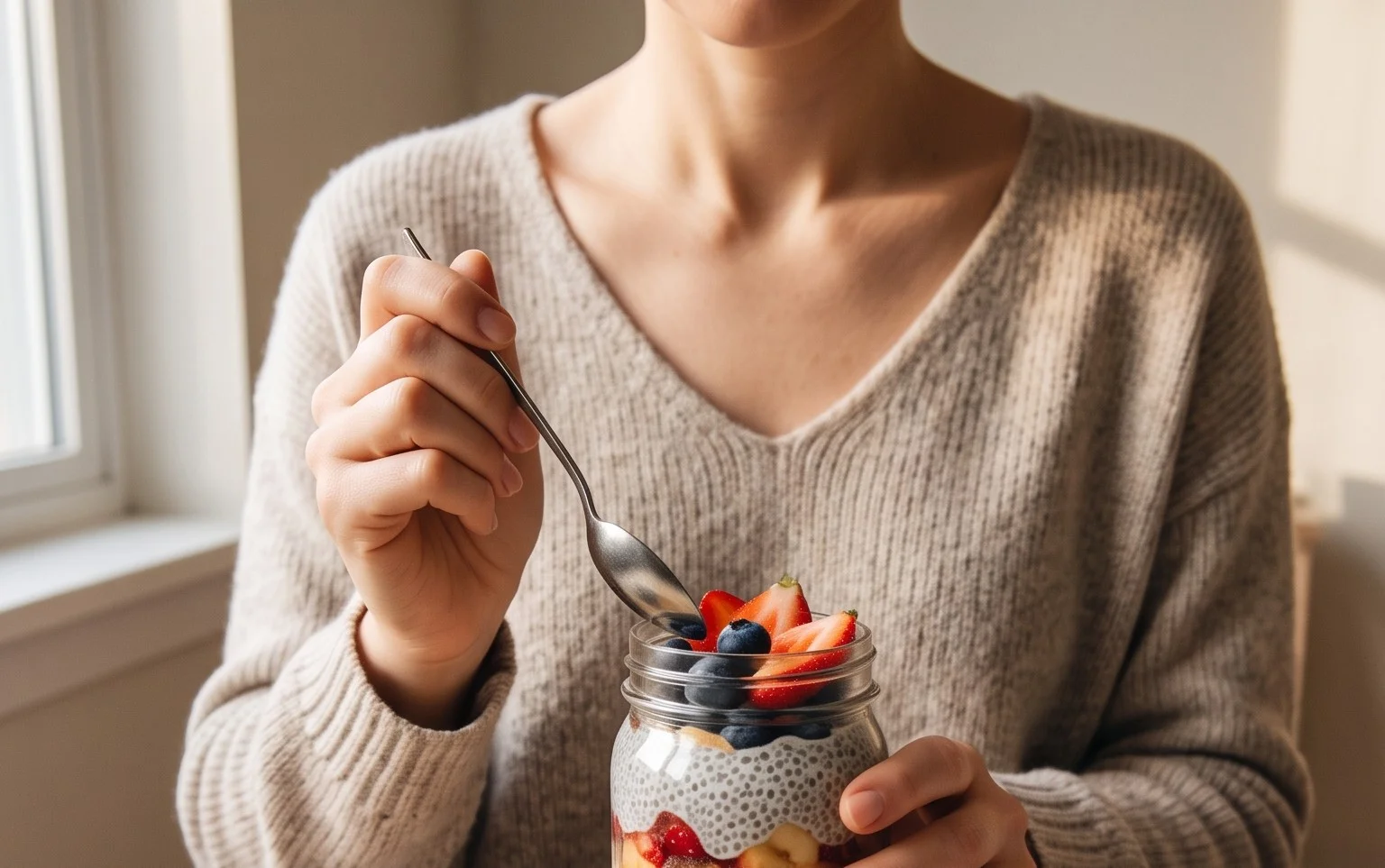
Vanilla chia pudding is a delightful and remarkably simple dish that has gained significant popularity in the health and wellness world. At its core, it’s made by soaking chia seeds in a liquid, most commonly milk (dairy or non-dairy), until they absorb the liquid and swell, creating a gel-like, pudding consistency. The “vanilla” aspect comes from the addition of vanilla extract, which adds a subtle sweetness and aromatic flavor. It’s often further sweetened with natural options like honey, maple syrup, or fruit, and can be customized with various toppings such as fresh berries, nuts, seeds, or a sprinkle of cinnamon.
Think of it as a breakfast or snack that’s incredibly forgiving and adaptable. The magic happens due to the unique properties of chia seeds. These tiny seeds are packed with soluble fiber, which, when exposed to liquid, forms a gel. This gel is not only responsible for the pudding’s texture but also plays a significant role in its health benefits. It’s a food that requires minimal preparation, often just a matter of mixing ingredients and letting them sit for a few hours or overnight in the refrigerator. This ease of preparation makes it an attractive option for busy individuals looking for nutritious and convenient food choices.
Common Signs or Factors Indicating a Need for Nutritious Options
Many people find themselves seeking out wholesome foods like chia pudding when they notice certain changes or persistent feelings in their bodies. These are not necessarily medical conditions, but rather signals that a dietary adjustment might be beneficial. Understanding these common signs can empower individuals to make proactive choices for their well-being.
- Low Energy Levels: Feeling consistently tired, sluggish, or lacking the energy to get through the day is a common indicator that your diet might not be providing the sustained fuel your body needs.
- Digestive Discomfort: Issues like infrequent bowel movements, bloating, or general discomfort in the digestive system can sometimes be linked to a lack of fiber in the diet.
- Frequent Cravings: Uncontrollable urges for sugary or processed snacks, especially between meals, can suggest that your current food choices aren’t providing adequate satiety or balanced nutrients.
- Difficulty with Blood Sugar Stability: Experiencing sharp energy dips after meals, or feeling shaky and irritable when you haven’t eaten for a while, could point to fluctuations in blood sugar levels.
- Desire for Healthy Snacking: Simply wanting to replace less nutritious snack options with something that feels wholesome and satisfying is a positive sign of a desire for better eating habits.
General Guidance on Chia Seeds and Healthy Eating
Health authorities and nutrition experts generally emphasize the importance of incorporating whole, nutrient-dense foods into a balanced diet. Chia seeds, with their rich nutritional profile, are often highlighted as a valuable addition to this approach. The general guidance provided by various health organizations centers on a few key principles that align well with the consumption of foods like vanilla chia pudding.
One of the primary areas of focus is the importance of fiber. Health guidance consistently recommends adequate daily fiber intake to support digestive health, promote satiety, and contribute to overall well-being. Chia seeds are an excellent source of dietary fiber, particularly soluble fiber, which aligns perfectly with these recommendations. This fiber content can contribute to feelings of fullness, potentially aiding in appetite management and making it easier to choose nutrient-rich foods over less healthy options.
Furthermore, experts advocate for the inclusion of healthy fats in the diet, and chia seeds are a good source of omega-3 fatty acids, specifically alpha-linolenic acid (ALA). This type of fat is recognized for its role in supporting various bodily functions. The guidance often encourages consuming a variety of seeds and nuts to obtain these beneficial fatty acids.
Protein is another crucial component of a balanced diet, essential for muscle repair, growth, and overall bodily processes. Chia seeds offer a notable amount of plant-based protein, making them a valuable addition for individuals looking to increase their protein intake, especially those following vegetarian or vegan diets. The combination of fiber, healthy fats, and protein in chia seeds contributes to their reputation as a nutritious food choice.
Finally, the general advice often touches upon the benefits of making simple, healthy meals and snacks accessible. The ease of preparation and versatility of vanilla chia pudding make it a practical way to adhere to these recommendations. Health guidance frequently encourages mindful eating and choosing foods that provide sustained energy and support a healthy lifestyle. Vanilla chia pudding fits seamlessly into these overarching principles by offering a simple, customizable, and nutrient-rich option.
Practical Everyday Habits You Can Act On
Incorporating vanilla chia pudding into your routine is remarkably straightforward. Here are some practical, everyday habits you can adopt to enjoy its benefits:
- Prep the Night Before: The most effective habit is to prepare your chia pudding the evening before. Mix your chia seeds with your chosen liquid (e.g., almond milk, oat milk, dairy milk) and vanilla extract in a jar or container. Add a natural sweetener if desired. Secure the lid and place it in the refrigerator. This ensures it’s ready to grab and go in the morning.
- Make it Your Go-To Breakfast: Instead of reaching for less nutritious cereal or pastries, make vanilla chia pudding your primary breakfast option a few times a week. It provides a satisfying start to your day that can keep you feeling full until your next meal.
- Smart Snacking Solution: Portion your chia pudding into smaller containers or jars. Keep these readily available in the refrigerator for a healthy snack option between meals. This can help curb cravings for less healthy processed snacks.
- Customize with Fruits and Nuts: Make it a habit to top your chia pudding with fresh berries, sliced banana, a sprinkle of chopped nuts, or a dash of cinnamon. This not only adds flavor and texture but also boosts the nutritional value with vitamins, antioxidants, and additional healthy fats.
- Batch Preparation for the Week: If you’re particularly busy, consider preparing a larger batch of chia pudding at the beginning of the week. Divide it into individual servings, and you’ll have healthy breakfasts or snacks ready for several days.
- Experiment with Flavors: While vanilla is a classic, don’t be afraid to experiment. Add a pinch of cardamom for a warm spice, or a few drops of almond extract for a different nutty note. This keeps things interesting and encourages continued healthy eating.
What the Evidence Does and Does Not Support
The scientific evidence surrounding chia seeds, and by extension vanilla chia pudding, is largely positive regarding their nutritional content and some of their associated health benefits. The emphasis of the evidence is on the seeds themselves, with the pudding being a vehicle for their consumption.
What the Evidence Supports:
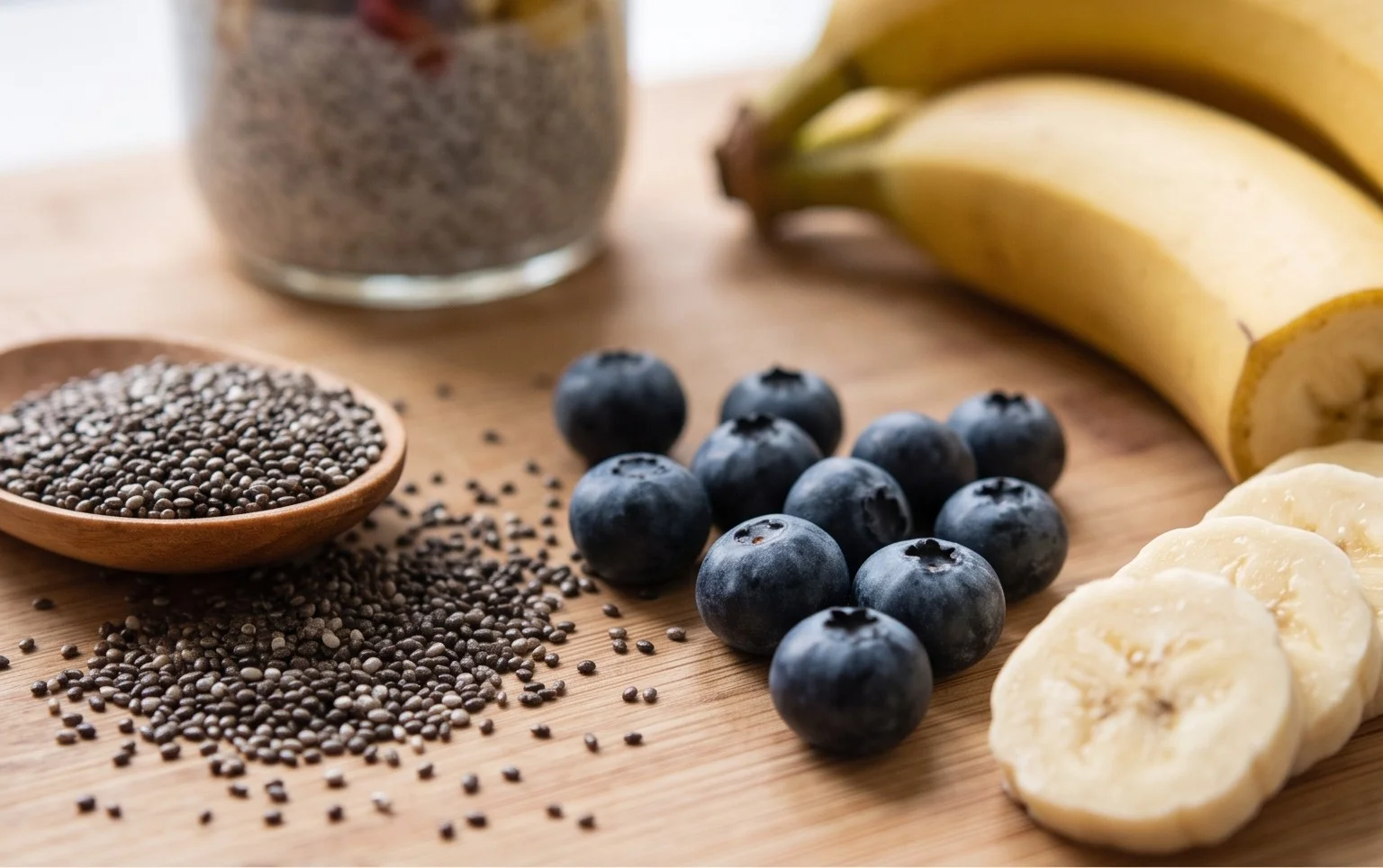
- Rich Nutrient Profile: Research consistently supports that chia seeds are an excellent source of dietary fiber, omega-3 fatty acids (ALA), protein, and various minerals like calcium, magnesium, and phosphorus.
- Fiber Content and Digestive Health: The high fiber content of chia seeds is well-documented and is associated with promoting regular bowel movements and supporting a healthy digestive system.
- Satiety and Appetite Management: Due to their ability to absorb liquid and form a gel, chia seeds can contribute to feelings of fullness and satiety, which may play a role in appetite control.
- Blood Sugar Management: Some studies suggest that the soluble fiber in chia seeds may help to slow down the absorption of sugar into the bloodstream, potentially contributing to more stable blood sugar levels, particularly after meals.
- Source of Omega-3 Fatty Acids: Chia seeds are recognized as one of the richest plant-based sources of ALA omega-3 fatty acids, which are important for overall health.
What the Evidence Does Not Support (or Requires More Research):
- Direct Weight Loss Claims: While chia seeds can aid in satiety and potentially support appetite management, there is no strong, direct scientific evidence to suggest that consuming chia pudding alone leads to significant weight loss. Weight management is a complex interplay of diet, exercise, and lifestyle.
- Miracle Cure for Specific Conditions: Chia pudding should not be viewed as a cure for any specific medical condition. It is a healthy food that can be part of a balanced diet, but it is not a substitute for medical treatment.
- Quantifiable Benefits Without Context: Specific benefits attributed to chia pudding often depend on the quantity consumed, the ingredients used (e.g., added sugars), and the overall dietary pattern of the individual.
- Overstated Antioxidant or Anti-inflammatory Powers: While chia seeds contain antioxidants, the extent to which these translate into powerful, direct anti-inflammatory effects in humans through casual consumption of chia pudding requires more extensive research.
Common Myths Worth Correcting
Like many popular health foods, chia seeds and chia pudding have attracted their share of myths. It’s helpful to separate fact from fiction to understand their true value.
- Myth: Chia seeds will expand in your stomach and cause serious problems.
- Correction: While chia seeds do absorb liquid and swell, this is precisely what gives them their pudding-like texture and contributes to satiety. When consumed as part of a normal meal or as pudding, they are easily digestible and not known to cause dangerous expansion. The key is to soak them in liquid. Eating a large amount of dry chia seeds directly without sufficient liquid could lead to discomfort, but this is not a typical way to consume them.
- Myth: You need to eat a huge amount of chia pudding for it to be effective.
- Correction: A moderate serving of vanilla chia pudding, typically made with a few tablespoons of chia seeds, is sufficient to derive its nutritional benefits. Overconsumption is generally unnecessary and could lead to excessive fiber intake, potentially causing digestive upset.
- Myth: Chia pudding is only for vegans or vegetarians.
- Correction: Vanilla chia pudding is a versatile dish that can be made with any type of milk, including dairy milk. It’s a healthy option for anyone looking to incorporate more fiber and nutrients into their diet, regardless of their dietary choices.
- Myth: Chia pudding is high in calories and will make you gain weight.
- Correction: While the calorie content depends on the ingredients used (especially added sweeteners and toppings), a basic chia pudding made with unsweetened non-dairy milk and a minimal amount of natural sweetener is relatively low in calories and high in fiber and protein, which can actually support weight management by promoting fullness.
When to Speak to a Qualified Healthcare Professional
While vanilla chia pudding is a healthy and beneficial food for most individuals, it’s always wise to be attuned to your body’s signals and seek professional advice when necessary. The following signs suggest it would be beneficial to consult a doctor, registered dietitian, or other qualified healthcare provider for personalized guidance:
- Persistent Digestive Issues: If you experience ongoing or severe bloating, gas, abdominal pain, or significant changes in bowel habits that don’t resolve, it’s important to rule out underlying medical conditions.
- Allergies or Intolerances: If you suspect you might have an allergy or intolerance to chia seeds, milk (dairy or non-dairy), or any other ingredient you plan to use in your chia pudding, seek professional advice before continuing consumption.
- Chronic Health Conditions: If you have pre-existing health conditions such as diabetes, kidney disease, or gastrointestinal disorders, it is essential to discuss any significant dietary changes, including the regular consumption of chia pudding, with your healthcare provider. They can advise on how it fits into your overall management plan.
- Sudden or Unexplained Changes in Health: If you experience any sudden, significant, or unexplained changes in your energy levels, weight, or overall well-being, it is crucial to seek medical attention to identify the cause.
- Concerns About Nutritional Adequacy: If you have concerns about whether your current diet is meeting your nutritional needs, or if you are considering major dietary shifts, a registered dietitian can provide expert guidance tailored to your individual requirements.
Remember, this information is for general knowledge and informational purposes only, and does not constitute medical advice. It is essential to consult with a qualified healthcare professional for any health concerns or before making any decisions related to your health or treatment.
Conclusion
As we’ve explored, incorporating simple pleasures like vanilla chia pudding into your routine can be a delightful path towards better wellness. The key takeaways are its ease of preparation and its nutrient-dense qualities, making it a practical addition to a balanced diet. Remember, sustainable changes are far more effective than drastic overhauls. Start small, enjoy the process, and let delicious options like this support your journey.
Please note that this information is for general guidance and does not substitute professional medical advice. Always consult with a healthcare provider for personalized recommendations. We encourage you to explore more ideas for healthy and enjoyable eating.