How to Make a Smoothie can be a simple yet powerful way to boost your daily nutrition. Smoothies are blended drinks, typically made with fruits, vegetables, and liquids, offering a convenient and delicious method to incorporate a variety of vitamins, minerals, and fiber into your diet. This practice is especially beneficial for busy individuals looking for quick, nutrient-dense meal or snack options. If you’re aiming for better energy levels, supporting your overall well-being, or simply seeking a refreshing way to enjoy wholesome ingredients, this guide is for you. Inside, you’ll discover 35 diverse recipes, from energizing morning blends to satisfying post-workout options, all designed to be easy to prepare. We’ll explore various ingredient combinations and offer tips to help you create your perfect smoothie.

Unlock Your Health Potential: Mastering the Art of the Smoothie
In the pursuit of optimal health and wellness, we’re constantly seeking convenient and enjoyable ways to nourish our bodies. Enter the smoothie – a vibrant, versatile, and incredibly accessible tool that can significantly contribute to your daily intake of essential nutrients. But what exactly is a smoothie, and how can you harness its full potential? This article will demystify the world of smoothies, offering practical advice and dispelling common misconceptions, ultimately empowering you to create delicious and health-boosting concoctions tailored to your needs.
What Exactly is a Smoothie?
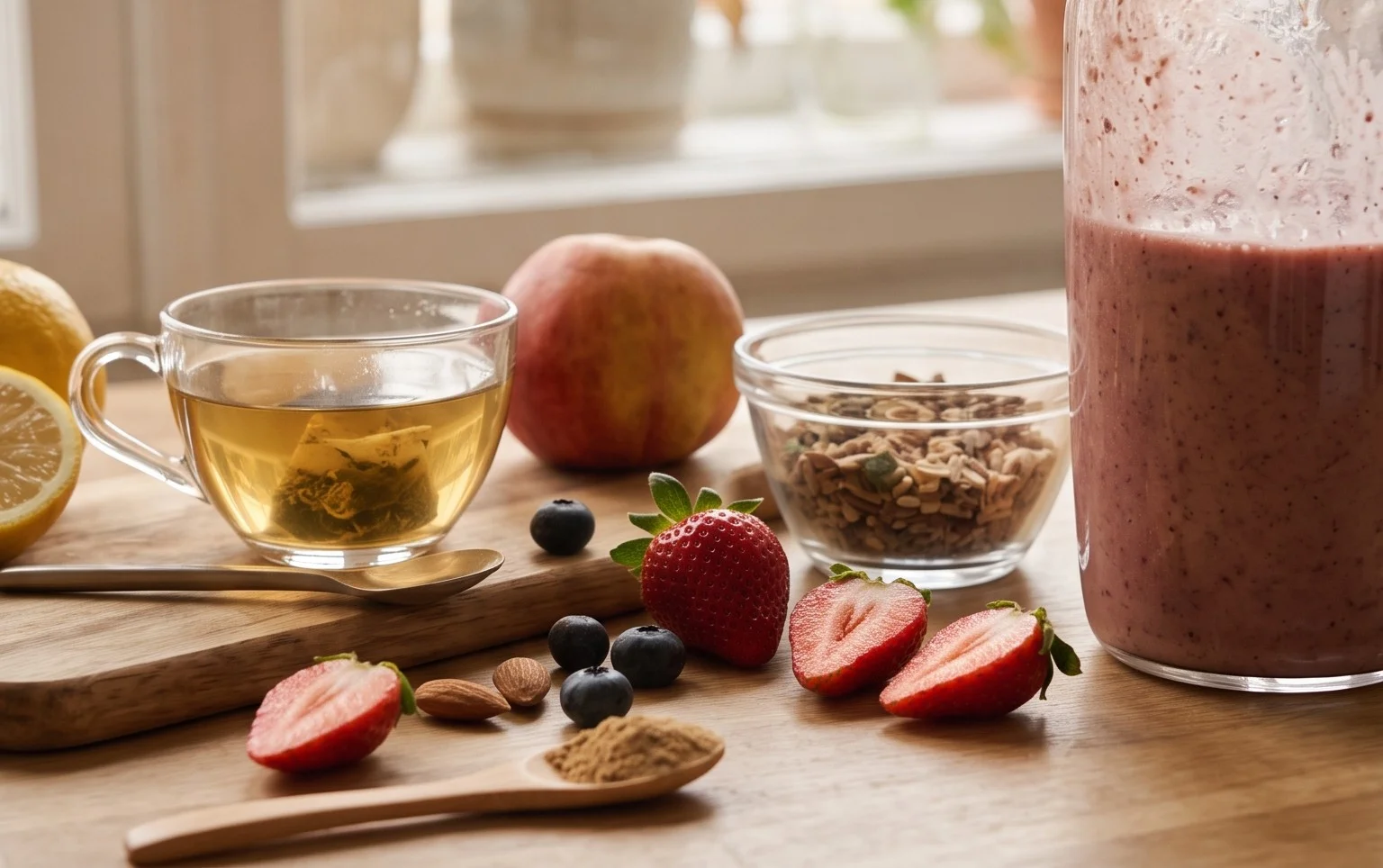
At its core, a smoothie is a blended beverage made from fruits, vegetables, and often a liquid base, along with other optional additions like seeds, nuts, yogurt, or protein powders. The magic happens in the blender, which pulverizes these ingredients into a smooth, drinkable consistency. Unlike juices, which extract only the liquid, smoothies retain the fiber from the whole fruits and vegetables, offering a more complete nutritional package. Think of it as a convenient way to consume a concentrated dose of vitamins, minerals, antioxidants, and fiber in a single, delicious serving.
Common Signs and Factors Influencing Smoothie Choices
Several everyday signs and factors might point towards incorporating more smoothies into your routine:
* **Low Energy Levels:** Do you often feel sluggish or experience mid-afternoon energy dips? Smoothies, packed with natural sugars from fruits and readily available nutrients, can provide a quick and sustained energy boost.
* **Difficulty Meeting Fruit and Vegetable Intake:** Many people struggle to consume the recommended daily servings of fruits and vegetables. Smoothies offer a simple and palatable solution to increase your intake of these vital food groups.
* **Digestive Concerns:** The fiber content in whole fruits and vegetables within smoothies can support healthy digestion and promote regularity.
* **Desire for Quick Meal or Snack Options:** In our fast-paced lives, preparing nutritious meals and snacks can be a challenge. Smoothies are quick to make, making them an ideal choice for busy mornings, post-workout recovery, or a satisfying snack.
* **Post-Exercise Recovery Needs:** Athletes and fitness enthusiasts often turn to smoothies for their ability to deliver carbohydrates for energy replenishment and protein for muscle repair.
* **Dietary Preferences and Restrictions:** Smoothies are highly customizable, making them suitable for various dietary needs, including vegan, gluten-free, or dairy-free diets.
General Guidance on Smoothie Consumption
Health authorities generally emphasize the importance of a balanced diet rich in fruits, vegetables, and whole foods. Smoothies can be a valuable component of this balanced approach. The general guidance suggests that:
* **Prioritize Whole Foods:** Base your smoothies on whole fruits and vegetables to maximize nutrient and fiber intake.
* **Limit Added Sugars:** Be mindful of the natural sugars present in fruits. Avoid adding excessive amounts of sweeteners like honey, maple syrup, or refined sugars, which can negate some of the health benefits.
* **Include a Source of Protein and Healthy Fats:** For satiety and sustained energy, consider adding ingredients like Greek yogurt, protein powder, nuts, seeds, or avocado.
* **Variety is Key:** Rotate your smoothie ingredients to ensure a broad spectrum of vitamins, minerals, and antioxidants.
* **Portion Control:** While nutritious, smoothies can be calorie-dense. Be aware of your portion sizes, especially if managing weight.
Practical Everyday Habits to Incorporate Smoothies
Transforming smoothie-making into a regular habit is easier than you think. Here are some practical steps you can take:
* **Prep Ingredients in Advance:** Wash and chop fruits and vegetables at the beginning of the week and store them in the refrigerator or freezer. This significantly cuts down on preparation time during busy mornings.
* **Invest in a Good Blender:** A powerful blender makes a world of difference, ensuring a smooth and enjoyable texture.
* **Create a Smoothie Station:** Designate a space in your kitchen for your blender and smoothie ingredients, making it convenient to whip up a drink whenever the mood strikes.
* **Start with Simple Recipes:** Begin with a few basic smoothie recipes and gradually experiment with new ingredients and flavor combinations.
* **Make it a Routine:** Aim to have a smoothie at a consistent time each day, whether it’s for breakfast, a snack, or post-workout.
* **Listen to Your Body:** Pay attention to how different smoothie ingredients make you feel. Some individuals may be sensitive to certain ingredients, while others may find specific combinations particularly beneficial.
What the Evidence Does and Does Not Support
The evidence strongly supports the benefits of consuming whole fruits and vegetables, which are the foundation of healthy smoothies. Studies highlight the importance of fiber for digestive health, the role of vitamins and minerals in bodily functions, and the protective effects of antioxidants against cellular damage.
However, it’s important to note what the evidence *does not* necessarily support:
* **”Detox” Claims:** While smoothies can contribute to overall well-being and support the body’s natural detoxification processes, the concept of a smoothie-only “detox” diet that specifically eliminates toxins is not strongly supported by scientific evidence. The body has its own efficient detoxification systems.
* **Miracle Cures:** Smoothies are a healthy dietary addition, not a magical cure for serious health conditions. They should complement, not replace, medical treatment.
* **Unlimited Consumption:** While generally healthy, consuming excessively large or sugar-laden smoothies without considering overall dietary balance can still contribute to unwanted calorie intake.
Common Smoothie Myths Worth Correcting
Several myths surround the health benefits of smoothies:
* **Myth: All Smoothies are Healthy:** This is a significant misconception. Smoothies loaded with added sugars, ice cream, or excessive fruit juice can quickly become calorie bombs and offer little nutritional advantage over other less healthy options. Focus on whole ingredients.
* **Myth: Smoothies Replace Eating Whole Foods Entirely:** While they can be a convenient way to consume nutrients, the act of chewing whole foods plays a role in satiety and digestive signaling. It’s generally recommended to still include whole fruits and vegetables in your diet.
* **Myth: Smoothies Automatically Lead to Weight Loss:** While a nutrient-dense smoothie can be a filling and lower-calorie alternative to less healthy snacks, the overall impact on weight depends on your total daily calorie intake and expenditure.
When to Speak to a Qualified Professional
While smoothies can be a fantastic addition to a healthy lifestyle, there are instances where seeking professional guidance is crucial. You should consider speaking to a qualified healthcare professional, such as a doctor, registered dietitian, or nutritionist, if:
* **You have underlying health conditions:** If you have pre-existing conditions like diabetes, kidney disease, or digestive disorders, it’s essential to discuss smoothie ingredients and their potential impact on your health.
* **You are experiencing unexplained digestive issues:** Persistent bloating, gas, diarrhea, or constipation that doesn’t improve with dietary changes may warrant professional assessment.
* **You are considering significant dietary changes or using supplements:** If you’re planning to incorporate specific protein powders, supplements, or drastically alter your diet, professional advice can ensure it’s safe and effective for you.
* **You have concerns about your weight or nutritional intake:** A qualified professional can help you create a personalized plan to meet your specific health and wellness goals.
* **You are experiencing persistent fatigue or other concerning symptoms:** While smoothies can help with energy levels, persistent fatigue or other unusual symptoms should always be evaluated by a healthcare provider.
By understanding what makes a healthy smoothie, incorporating practical habits, and being aware of common misconceptions, you can effectively leverage the power of blended goodness to support your journey towards optimal health and well-being. Remember, consistency and a focus on whole, nutrient-dense ingredients are key to unlocking the true potential of your daily smoothie.
Conclusion
We hope this guide has empowered you to explore the delicious and versatile world of how to make a smoothie. Remember, the key to lasting health and wellness is incorporating small, sustainable changes into your routine. Don’t feel pressured to try all 35 recipes at once; pick one or two that appeal to you and enjoy the process. Consistency over intensity is your friend on this journey. Please keep in mind that this information is intended for general guidance only and is not a substitute for professional medical advice. Always consult with a qualified healthcare provider for any health concerns or before making significant changes to your diet. Feel free to delve deeper into related topics like mindful eating or nutrient-dense ingredients to further enhance your well-being.