Abdominal anatomy, often simplified to just the “abs,” encompasses a complex network of muscles essential for everyday life. Understanding these muscles – the rectus abdominis, obliques, and transverse abdominis – reveals why a strong core isn’t just about aesthetics, but about supporting your spine, improving posture, and making even simple movements like bending and lifting feel easier and safer. This is relevant for anyone seeking to enhance their physical well-being, from those experiencing occasional back discomfort to athletes looking to optimize performance.
This article will gently guide you through the fundamental abdominal anatomy, demystifying its structure. We’ll then explore a curated selection of yoga poses specifically chosen to engage and strengthen your entire core. Our aim is to provide you with accessible knowledge and practical tools to cultivate a more resilient and functional core, promoting a sense of calm and empowerment in your wellness journey.
Understanding Your Core: Beyond the Six-Pack
When we talk about our “core,” most people immediately picture a toned, sculpted abdomen. While aesthetics are certainly a part of it, the core is so much more than just a visual display of muscle. It’s a complex system of muscles that forms the central powerhouse of your body, playing a critical role in everything from lifting groceries to maintaining good posture. Understanding this anatomy and how to strengthen it can unlock a world of improved health, mobility, and well-being.
What is Your Core, Really?
In plain language, your core is not just the muscles on the front of your belly. It’s a three-dimensional cylinder of muscles that wrap around your midsection. This includes:
* The Rectus Abdominis: This is the “six-pack” muscle, responsible for flexing the spine (like in a crunch).
* The Obliques (Internal and External): Located on the sides of your abdomen, these muscles help you twist your torso and bend sideways.
* The Transverse Abdominis: This is the deepest abdominal muscle, acting like a natural corset to stabilize your spine and pelvis.
* The Pelvic Floor Muscles: These muscles form the base of your core, supporting your pelvic organs and contributing to bladder and bowel control.
* The Diaphragm: This dome-shaped muscle at the top of your core is your primary breathing muscle, but it also helps stabilize the trunk.
* The Erector Spinae: Muscles running along your spine, crucial for maintaining an upright posture.
Together, these muscles work synergistically to support your spine, stabilize your pelvis, transfer force between your upper and lower body, and protect your internal organs. A strong, well-functioning core is essential for efficient movement, injury prevention, and overall physical resilience.
Common Signs of a Weak or Imbalanced Core
You might not realize your core needs attention until you experience some common signs. These can manifest in various ways:
* Lower back pain: This is perhaps the most prevalent symptom. When your core muscles are weak, your back muscles often have to overcompensate, leading to strain and discomfort.
* Poor posture: Slouching, rounded shoulders, or a tendency to lean forward can indicate a lack of core support to hold you upright.
* Difficulty with everyday movements: Simple tasks like bending over to tie your shoes, lifting objects, or even standing for long periods can become challenging or painful.
* Balance issues: A compromised core can affect your sense of stability and make you more prone to falls.
* Unexplained fatigue: When your core muscles aren’t working efficiently, other muscles have to work harder, leading to quicker fatigue.
* A feeling of “letting go” or instability in your midsection.
* Changes in breathing patterns, such as shallow chest breathing rather than deeper diaphragmatic breaths.
Several factors can contribute to a weak or imbalanced core. These include sedentary lifestyles, prolonged sitting, improper lifting techniques, previous injuries, and even pregnancy and childbirth.
General Guidance for Core Strengthening
Health authorities and fitness professionals generally emphasize a holistic approach to core strengthening. The consensus is that a strong core involves more than just isolated abdominal exercises. Key principles include:
* **Integration:** Core exercises should work multiple core muscles simultaneously, mimicking how they function in everyday life.
* **Stability:** Focus on exercises that challenge your core’s ability to resist movement and maintain a stable spine.
* **Breathwork:** Proper diaphragmatic breathing is fundamental to core engagement and should be incorporated into all exercises.
* **Consistency:** Regular practice is more effective than infrequent, intense workouts.
* **Progression:** Gradually increase the difficulty of exercises as your strength improves.
* **Listen to your body:** Avoid pushing through sharp pain, and focus on proper form.
General guidance also highlights the importance of balanced fitness, which includes cardiovascular exercise, flexibility work, and strength training for the entire body, not just the core.
Practical Everyday Habits to Strengthen Your Core
You don’t need to spend hours in the gym to build a stronger core. Integrating simple habits into your daily routine can make a significant difference:
* **Conscious Posture:** Throughout the day, whether sitting or standing, make a conscious effort to lengthen your spine, engage your abdominal muscles slightly (imagine gently drawing your belly button towards your spine), and relax your shoulders.
* **Mindful Breathing:** Practice diaphragmatic breathing. Place one hand on your chest and the other on your belly. As you inhale, feel your belly rise, not your chest. Exhale completely.
* **Engage While Moving:** When lifting objects, bend your knees, keep your back straight, and brace your core before you lift. Similarly, when walking or standing, engage your core slightly for better stability.
* **Desk Stretches:** If you sit for long periods, take short breaks to do gentle twists or pelvic tilts.
* **Active Commuting:** If possible, walk or cycle to work, which naturally engages your core for balance and propulsion.
Yoga Poses to Strengthen Your Full Core
Yoga offers a fantastic pathway to building a strong, functional core by integrating movement, breath, and mindful engagement. Here are a few poses that target different aspects of your core:
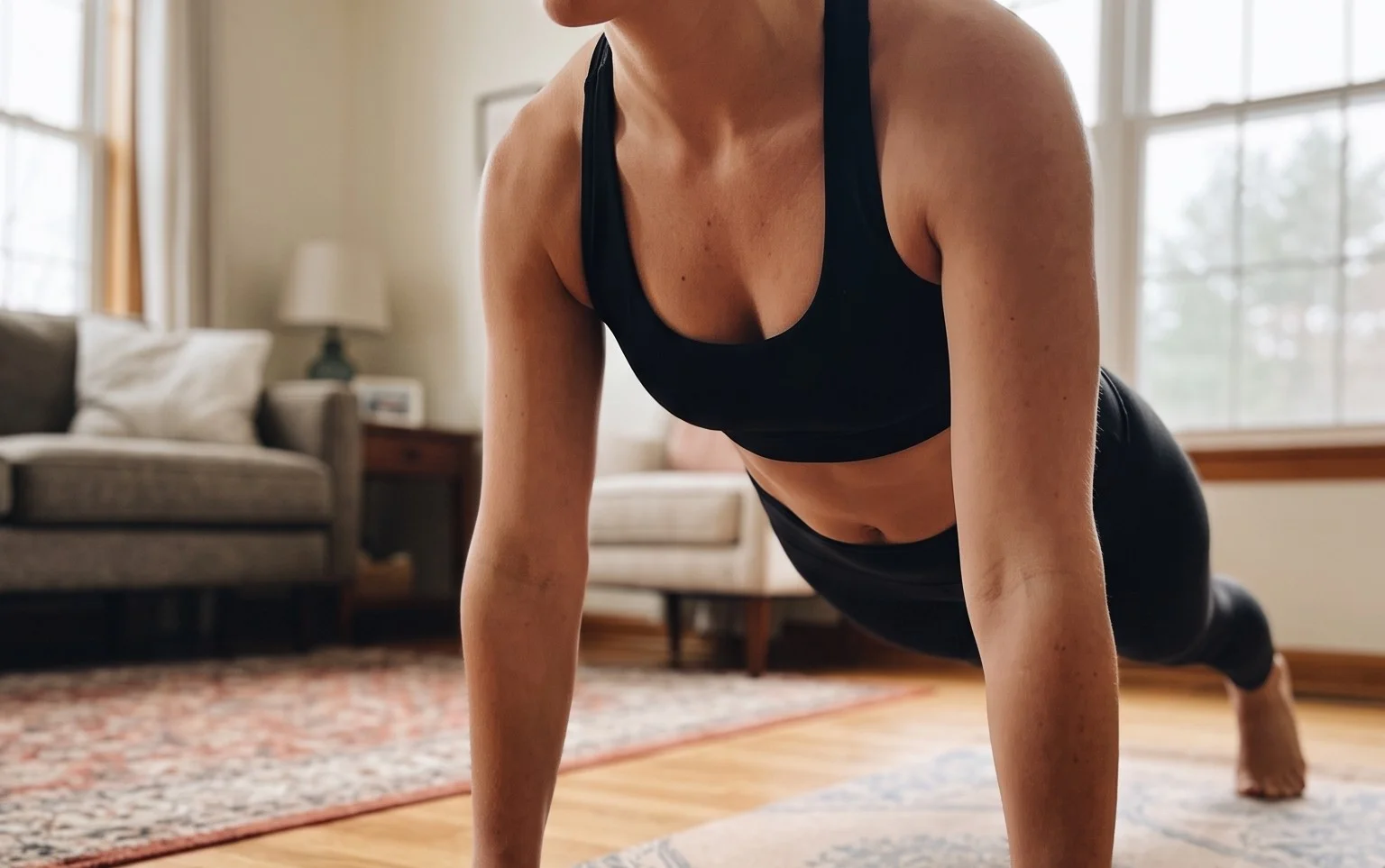
* Plank Pose (Phalakasana): This foundational pose is excellent for building overall core strength and endurance. Start on your hands and knees, then extend your legs back, coming onto the balls of your feet. Your body should form a straight line from head to heels. Engage your core, glutes, and quads. Avoid letting your hips sag or lift too high.
* *Modification:* You can start by performing plank on your knees if a full plank is too challenging.
* Boat Pose (Paripurna Navasana): This pose directly targets the rectus abdominis and the transverse abdominis, improving abdominal strength and balance. Sit on your mat with your knees bent and feet flat on the floor. Lean back slightly, keeping your spine long. Lift your feet off the floor, bringing your shins parallel to the ground. You can extend your arms forward, parallel to the floor.
* *Modification:* Keep your knees bent and shins parallel to the floor, or place your hands behind you for support.
* Side Plank (Vasisthasana): This pose is superb for strengthening the obliques and improving lateral stability. Start in a plank pose, then shift your weight to your right hand and the outer edge of your right foot. Stack your left foot on top of your right. Extend your left arm towards the ceiling, creating a straight line from your fingertips to your heels.
* *Modification:* Drop your bottom knee to the floor for support.
* Warrior III (Virabhadrasana III): While often seen as a balance pose, Warrior III is a powerful core strengthener, particularly for the deep stabilizing muscles. Stand with your feet together. Step one foot back and hinge forward at your hips, lifting the back leg parallel to the floor. Extend your arms forward, sideways, or keep them by your sides. Your torso and lifted leg should form a straight line.
* *Modification:* Keep your back toes on the floor or rest your fingertips on a wall for support.
* Cat-Cow Pose (Marjaryasana-Bitilasana): This gentle flow is excellent for warming up the spine and engaging the core through movement. Start on your hands and knees. Inhale as you drop your belly, lift your chest and tailbone (Cow pose). Exhale as you round your spine, tuck your chin to your chest, and draw your navel towards your spine (Cat pose).
What the Evidence Supports (And Doesn’t)
The evidence strongly supports the benefits of core strengthening for improved posture, reduced lower back pain, enhanced athletic performance, and better functional movement. Studies consistently show that exercises engaging multiple core muscles, like planks and other functional movements, are more effective than isolated crunches for developing overall core stability and strength.
What the evidence does not strongly support is the idea that a very specific type of exercise is the *only* way to achieve a strong core, or that extreme abdominal exercises are inherently superior. The emphasis is on consistency, proper form, and engaging the core in a way that is functional for your body. Also, while a strong core can contribute to a flatter appearance, it’s not the sole determinant of abdominal aesthetics. Body fat percentage and genetics play significant roles.
Common Myths Worth Correcting
* **Myth 1: Crunches are the best core exercise.** While crunches work the rectus abdominis, they often neglect the deeper stabilizing muscles and can sometimes put unnecessary strain on the neck and lower back if not performed correctly. A balanced approach is more effective.
* **Myth 2: You need to feel the burn in your abs for them to be working.** While muscle fatigue is a sign of exertion, intense burning isn’t always necessary or indicative of effective core strengthening. Focus on controlled movements and proper engagement.
* **Myth 3: A strong core automatically means a flat stomach.** As mentioned, body fat percentage is a major factor in how visible your abdominal muscles are. Core strength is about function, not just appearance.
* **Myth 4: Core exercises are only for athletes.** Everyone benefits from a strong core, regardless of their activity level. It’s essential for everyday life.
When to Speak to a Qualified Professional
While this article provides general guidance, it’s crucial to understand when professional advice is necessary. You should speak to a qualified healthcare professional, such as a doctor, physical therapist, or certified yoga instructor with appropriate training, if you experience:
* Persistent or severe back pain that doesn’t improve with rest or gentle movement.
* Pain that radiates down your leg.
* Sudden onset of weakness or numbness in your legs or feet.
* Loss of bladder or bowel control.
* Pain during or after core exercises that is sharp or concerning.
* A history of significant injury or surgery in your abdominal or back region.
* Any concerns about your current fitness program or if you have pre-existing health conditions.
A qualified professional can assess your individual needs, identify any underlying issues, and provide personalized recommendations for exercises and lifestyle adjustments to ensure your core strengthening journey is safe and effective.
Conclusion
Embarking on a journey to strengthen your full core through understanding abdominal anatomy and incorporating yoga is a rewarding endeavor. Remember that consistency with small, mindful movements often yields greater, more sustainable results than trying to overhaul your entire routine overnight. By gently integrating these principles and poses, you can cultivate a more robust and resilient core.
Please note that this information is for general guidance only and is not a substitute for professional medical advice. Always consult with a qualified healthcare provider before making any changes to your exercise regimen or health practices. We encourage you to continue exploring related topics in health and wellness for ongoing personal growth.