Juicing for hormone support can be a gentle and delicious way to nourish your body. This article is designed to demystify how incorporating fresh juices into your diet might play a supportive role in maintaining hormonal balance. Hormones influence everything from your mood and energy levels to sleep patterns and skin health, so finding natural ways to support them can make a noticeable difference in your daily well-being.
This guide is especially relevant for beginners curious about natural approaches to wellness, including those experiencing common hormonal fluctuations. We’ll explore the foundational principles of juicing for hormonal support, highlight beneficial ingredients, and offer practical tips to get you started safely. Think of this as your friendly introduction to a potentially beneficial practice, presented in a calm and informative way.

Juicing For Hormone Support: A Complete Guide for Beginners
Understanding Juicing for Hormone Support
The world of health and wellness is always buzzing with new trends and approaches, and “hormone support” is a particularly hot topic. Many people are seeking natural ways to balance their hormones, which play a crucial role in everything from mood and energy levels to metabolism and reproductive health. One popular strategy gaining traction is juicing. But what exactly does it mean to juice for hormone support, and how can a beginner get started?
At its core, juicing involves extracting the liquid from fresh fruits and vegetables, discarding the pulp. The idea behind juicing for hormone support is to create nutrient-dense beverages packed with vitamins, minerals, antioxidants, and phytonutrients that may help the body’s endocrine system function optimally. These nutrients can support hormone production, detoxification, reduce inflammation, and improve overall cellular health – all of which are interconnected with hormonal balance.
It’s important to understand that juicing itself isn’t a magic bullet that directly “fixes” hormones. Instead, it’s a dietary tool that can contribute to a broader lifestyle approach aimed at promoting hormonal equilibrium. Think of it as a concentrated way to deliver beneficial compounds your body can utilize. When we juice, we’re essentially pre-digesting the produce, making those valuable nutrients more readily available for absorption. This can be particularly helpful for individuals who struggle to consume enough fruits and vegetables in their whole form or who have digestive issues that hinder nutrient absorption.
Common Signs or Factors Related to Hormonal Imbalance
Hormonal imbalances can manifest in a variety of ways, and understanding these signs can be the first step toward seeking support. It’s important to remember that these symptoms can overlap with other health conditions, and self-diagnosis is not recommended. However, recognizing these common indicators might prompt you to explore your hormonal health further:
- Mood Changes: Experiencing persistent irritability, anxiety, depression, or sudden mood swings.
- Fatigue and Low Energy: Feeling constantly tired, even after adequate sleep, and experiencing a general lack of motivation.
- Sleep Disturbances: Difficulty falling asleep, staying asleep, or waking up feeling unrefreshed.
- Changes in Metabolism and Weight: Unexplained weight gain or loss, particularly around the abdomen, or difficulty managing weight despite diet and exercise.
- Skin Issues: Developing acne, dryness, or other sudden changes in skin texture and appearance.
- Digestive Problems: Experiencing bloating, constipation, diarrhea, or other persistent gut issues.
- Menstrual Irregularities (for those with cycles): Irregular periods, heavy bleeding, painful periods, or premenstrual syndrome (PMS) symptoms that are severe or persistent.
- Decreased Libido: A noticeable drop in sexual desire.
- Hair Changes: Hair thinning, loss, or excessive facial/body hair growth.
Several factors can contribute to these hormonal fluctuations. Chronic stress is a major player, as it can disrupt the delicate balance of stress hormones like cortisol. Poor diet, lack of adequate sleep, insufficient physical activity, and exposure to environmental toxins can also play significant roles. Furthermore, life stages such as puberty, pregnancy, postpartum, perimenopause, and menopause naturally involve hormonal shifts that can sometimes become unbalanced.
General Guidance for Hormone Support Through Diet
Health authorities and dietary guidelines generally emphasize the importance of a balanced diet rich in whole, unprocessed foods for overall health, which naturally supports hormonal balance. While specific “hormone-balancing” diets aren’t typically outlined in broad guidelines, the principles of a nutrient-dense eating pattern are consistently recommended.
General guidance often highlights the following key dietary components:
- Abundant Fruits and Vegetables: These provide essential vitamins, minerals, fiber, and antioxidants. A wide variety of colorful produce ensures a broad spectrum of nutrients.
- Lean Proteins: Protein is crucial for hormone production and repair. Sources include poultry, fish, beans, lentils, and tofu.
- Healthy Fats: Omega-3 fatty acids, found in fatty fish, flaxseeds, and walnuts, are vital for cell membranes and can help reduce inflammation. Monounsaturated fats from avocados, nuts, and olive oil are also beneficial.
- Whole Grains: These provide complex carbohydrates for sustained energy and fiber for digestive health.
- Adequate Hydration: Drinking plenty of water is fundamental for all bodily functions, including hormone transport and detoxification.
When considering juicing as part of this dietary approach, the focus is on using these recommended food groups to create beneficial drinks. The emphasis is on using a wide array of vegetables, often with a smaller proportion of fruits to manage sugar intake.
Practical Everyday Habits for Beginners
Getting started with juicing for hormone support doesn’t have to be overwhelming. Here are some practical, everyday habits you can adopt:
- Start Simple with a Juicer: If you don’t have one, consider investing in a centrifugal or masticating juicer. Masticating juicers are generally preferred for retaining more nutrients and producing less heat.
- Focus on Veggie-Forward Juices: For hormone support, aim for a higher ratio of vegetables to fruits. A good starting point could be an 80/20 or 70/30 vegetable-to-fruit ratio.
- Choose Low-Sugar Fruits: Berries, apples, and pears are generally lower in sugar than tropical fruits like mangoes and pineapples.
- Incorporate Leafy Greens: Spinach, kale, Swiss chard, and romaine lettuce are nutrient powerhouses and are excellent bases for green juices.
-
Add Flavor and Nutrient Boosters:
- Cucumber: Hydrating and mild in flavor.
- Celery: Adds electrolytes and a refreshing taste.
- Lemon/Lime: Aids digestion and adds zest.
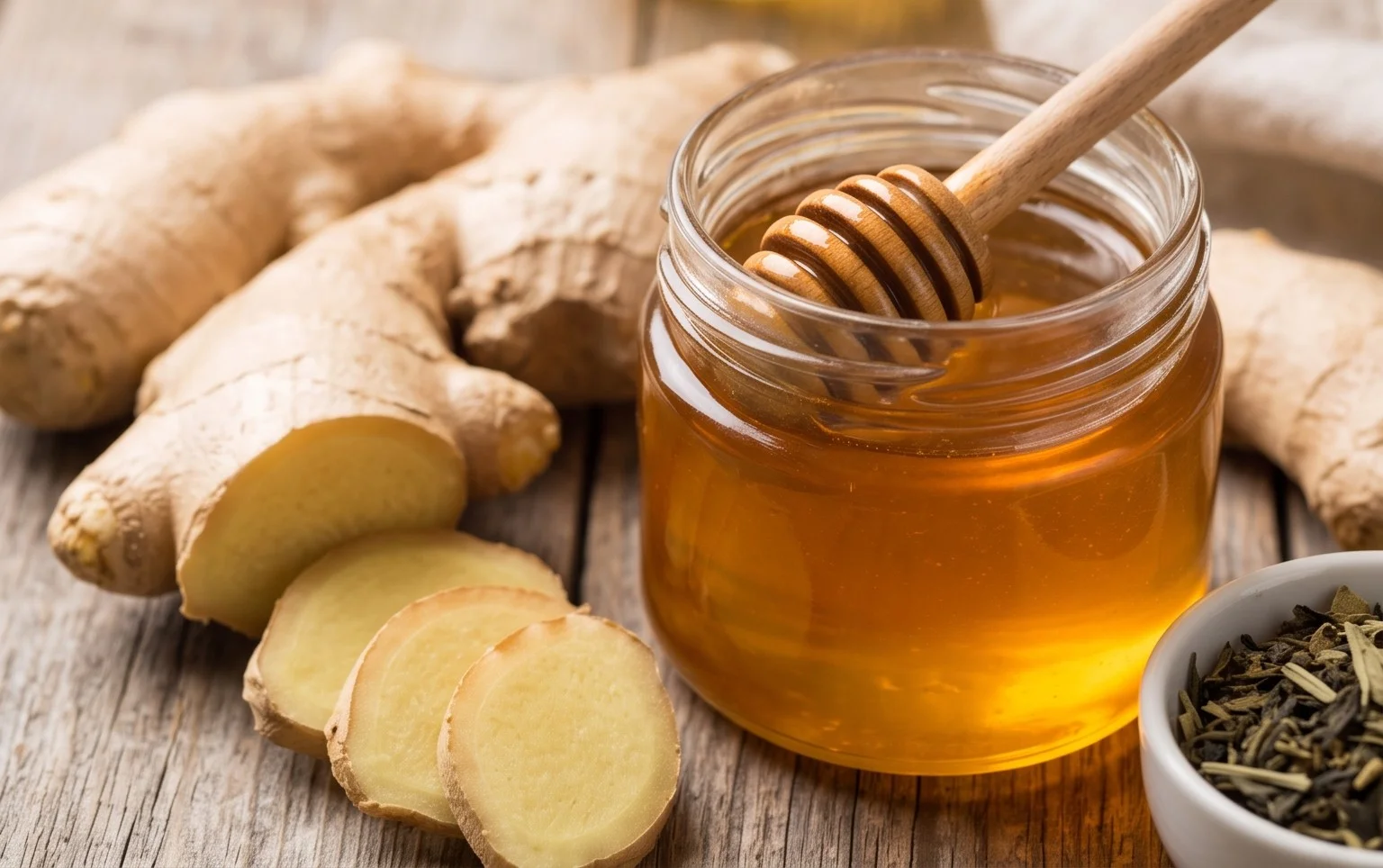
- Ginger: Anti-inflammatory properties and a zingy flavor.
- Carrots: Provide beta-carotene and natural sweetness.
- Beets: Support liver function and offer a rich, earthy flavor.
- Drink Juices Fresh: Consume your juice immediately after making it to maximize nutrient intake, as vitamins can degrade over time.
- Juice in the Morning: Many find that drinking juice on an empty stomach in the morning allows for optimal nutrient absorption.
- Listen to Your Body: Pay attention to how different juices make you feel. If a particular combination doesn’t agree with you, adjust the ingredients.
- Integrate, Don’t Replace: Juices should complement a balanced diet, not replace whole foods entirely. The fiber in whole fruits and vegetables is also crucial for digestive health.
- Hydrate Alongside: Continue to drink water throughout the day.
What the Evidence Does and Does Not Support
The scientific evidence supporting specific foods and nutrients for hormone balance is growing, but it’s important to differentiate between general dietary recommendations and claims about juicing as a singular solution. What the evidence generally supports is that a diet rich in vitamins, minerals, antioxidants, and fiber from fruits and vegetables can contribute to overall health and may help the body’s systems that regulate hormones function better.
Nutrients found abundantly in juices, such as Vitamin C, Vitamin K, potassium, and various antioxidants, are known to play roles in cellular health, inflammation reduction, and supporting the body’s natural detoxification processes. These are all factors that can indirectly influence hormonal balance.
However, what the evidence does *not* strongly support is the idea that juicing alone can directly “balance” or “fix” specific hormonal imbalances without addressing other lifestyle factors. There is limited robust scientific research specifically on the long-term effects of juicing for hormone support in humans. Many claims about specific fruits or vegetables dramatically altering hormone levels are often anecdotal or extrapolated from studies on individual compounds rather than whole juice blends.
It’s crucial to be wary of claims that suggest juicing can cure hormonal conditions or replace medical treatment. The benefits are most likely derived from the nutrient density of the ingredients and their contribution to a healthy dietary pattern, rather than a direct pharmacological effect of the juice itself.
Common Myths Worth Correcting
As juicing for hormone support gains popularity, several myths have emerged. Let’s clarify some common misconceptions:
-
Myth: Juicing can replace all whole fruits and vegetables.
Correction: While juicing provides concentrated nutrients, it removes the beneficial fiber found in whole produce. Fiber is essential for digestive health, blood sugar regulation, and satiety. A balanced diet should include both whole foods and occasional juices. -
Myth: Juices are a quick fix for any hormonal issue.
Correction: Hormonal imbalances are complex and often require a multifaceted approach involving diet, stress management, sleep, and sometimes medical intervention. Juicing is a supportive tool, not a cure. -
Myth: All fruit juices are healthy for hormone balance.
Correction: While fruits contain valuable nutrients, they also contain natural sugars. Consuming too much fruit juice, especially those with a high fruit-to-vegetable ratio, can lead to blood sugar spikes and may not be optimal for hormone balance. Vegetable-heavy juices are generally preferred. -
Myth: Juicing detoxifies your body and specifically your hormones.
Correction: Your liver and kidneys are your body’s natural detoxification systems. While a nutrient-rich diet supports these organs, juicing doesn’t have a special “detoxifying” power that removes specific hormones from the body. -
Myth: You need expensive, specialized ingredients for effective hormone support juice.
Correction: Many common and affordable fruits and vegetables are excellent for juicing. Focusing on a variety of seasonal produce is often more effective and sustainable than relying on exotic or expensive ingredients.
When to Speak to a Qualified Professional
While juicing can be a beneficial addition to a healthy lifestyle, it’s essential to know when to seek professional guidance. If you are experiencing any persistent or concerning symptoms related to your hormones, it’s crucial to consult with a qualified healthcare professional. This includes, but is not limited to:
- Significant and unexplained changes in mood, energy levels, or sleep patterns.
- Sudden or persistent weight gain or loss that you cannot attribute to diet or exercise.
- New or worsening acne, hair loss, or excessive hair growth.
- Irregular, absent, or unusually heavy or painful menstrual cycles.
- Persistent digestive issues.
- A noticeable and ongoing decrease in libido.
- Any symptoms that are causing you distress or significantly impacting your quality of life.
A healthcare provider, such as a doctor, endocrinologist, or a registered dietitian specializing in hormone health, can help identify the root cause of your symptoms, conduct appropriate tests, and recommend a personalized treatment plan. They can also advise on whether dietary changes like juicing are appropriate for your specific health needs and ensure they complement any medical treatments you may be receiving.
Conclusion
Embarking on your journey to hormonal balance through nutrition is a rewarding path. Remember, the power of juicing for hormone support lies in consistency, not perfection. Start with simple, nutrient-rich combinations that appeal to your palate, and gradually incorporate a wider variety of fruits and vegetables. Small, sustainable changes are far more effective in the long run than drastic overhauls. This guide offers general information to empower your wellness exploration, but it’s crucial to consult with a qualified healthcare professional for personalized medical advice and treatment plans. We encourage you to continue exploring related topics in diet and lifestyle to further enhance your well-being.