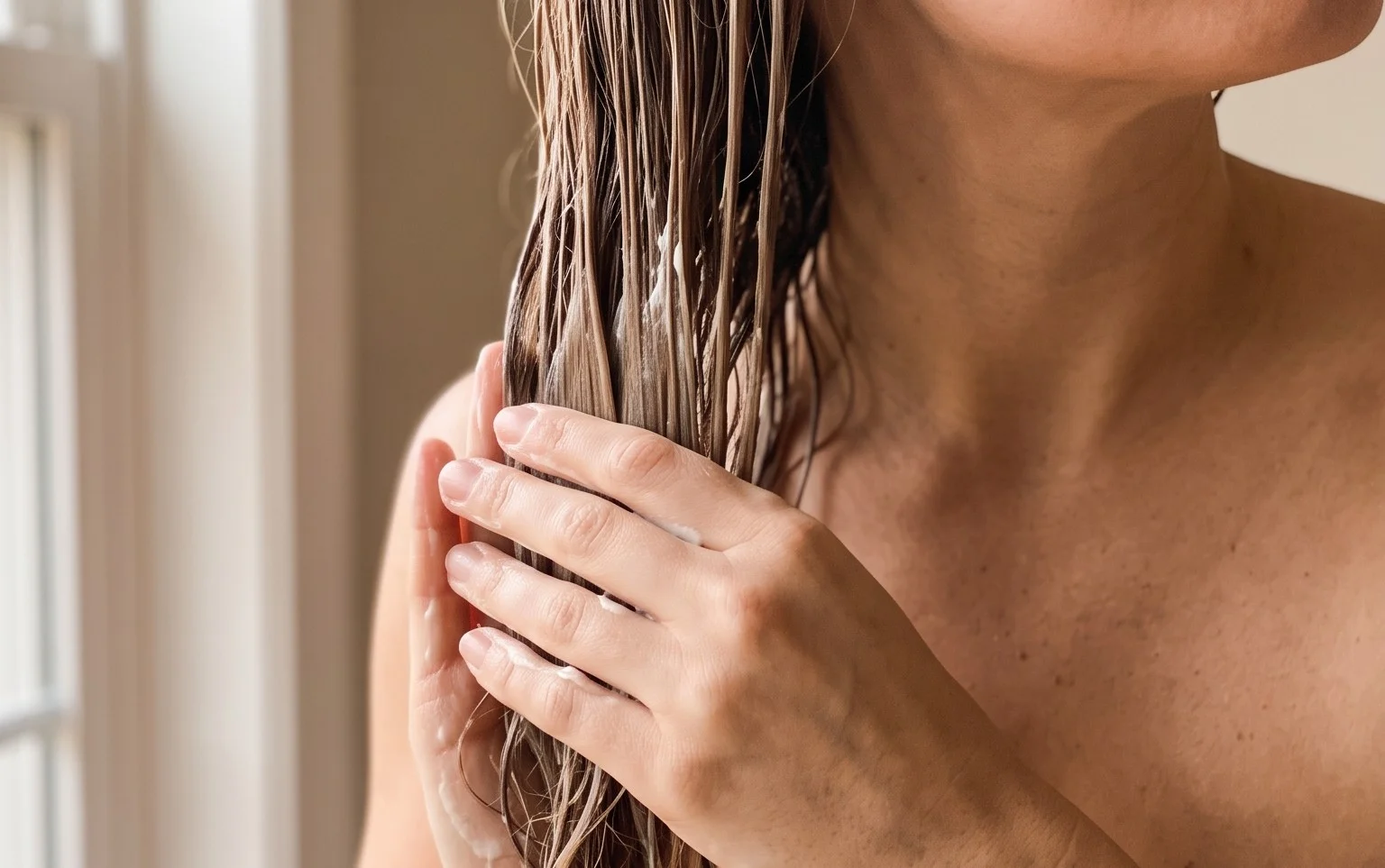
Homemade hair conditioner for natural hair offers a gentle and effective way to nourish and care for your beautiful coils, kinks, and curls. Understanding what goes into your hair products can make a significant difference in its health and manageability on a daily basis. This approach is particularly relevant for those with natural hair textures who often seek out ingredients that are both nourishing and free from harsh chemicals. By harnessing the power of natural ingredients, you can create custom conditioners that cater to your specific hair needs, promoting hydration, strength, and shine. This article will explore simple, accessible recipes and explain the benefits of various natural ingredients, empowering you to create your own nourishing hair treatments at home.
Nourishing Your Natural Crown: Homemade Hair Conditioner for Natural Hair
Natural hair, with its beautiful coils, kinks, and waves, possesses a unique texture that often requires extra care and attention. While commercial conditioners can offer convenience, many find that a more personalized, ingredient-driven approach yields the best results. Homemade hair conditioners for natural hair are essentially customized blends of natural ingredients designed to deeply moisturize, strengthen, and enhance the vibrancy of your curls. These concoctions leverage the inherent properties of fruits, vegetables, oils, and butters to address specific hair needs, moving away from synthetic chemicals and artificial fragrances found in many store-bought products. The goal is to create a gentle yet effective treatment that nourishes the hair shaft from root to tip, promoting healthier growth and manageability.
Understanding Your Natural Hair’s Needs
Before diving into homemade concoctions, it’s crucial to understand what your natural hair might be communicating. Common signs that your hair would benefit from a deeply moisturizing conditioner include:
* Dryness and brittleness: Hair that feels rough, lacks shine, and breaks easily is a strong indicator of dehydration.
* Frizz and flyaways: While some frizz is natural to curly textures, excessive frizz can signify a lack of moisture and smoothing.
* Lack of curl definition: If your coils and kinks are appearing loose, shapeless, or are not popping as they usually do, moisture imbalance could be the culprit.
* Tangling and knots: Naturally curly hair can be prone to tangling, but excessive knotting can point to dryness and friction between strands.
* Dullness and lack of shine: Healthy hair reflects light. If your hair appears lifeless and matte, it may be parched.
* Itchy or dry scalp: A dry scalp can lead to flakiness and discomfort, often stemming from a lack of moisture that can be replenished through conditioning treatments.
Several factors can contribute to these signs. Environmental factors like dry weather, sun exposure, and wind can strip moisture from the hair. Chemical treatments such as dyeing, perming, or frequent heat styling also compromise the hair’s natural moisture barrier. Even genetics and the natural porosity of your hair (how easily it absorbs and retains moisture) play a significant role. Understanding these underlying causes helps tailor your homemade conditioner to be most effective.
General Guidance for Natural Hair Care
Health authorities and hair care professionals generally emphasize a holistic approach to natural hair health. The overarching guidance focuses on gentleness, consistent moisture, and protecting the hair’s natural structure. This includes:
* Gentle cleansing: Avoiding harsh sulfates in shampoos that strip natural oils.
* Deep conditioning: Regularly using moisturizing treatments to replenish hydration.
* Protective styling: Employing hairstyles that minimize manipulation and protect the ends of the hair.
* Trimming split ends: Regularly removing damaged ends to prevent further breakage.
* Adequate hydration: Both internally (drinking water) and externally (using moisturizing products).
* Scalp health: Maintaining a clean and healthy scalp to support hair growth.
These principles translate into a consistent routine of moisturizing and protecting your hair. For natural hair, this often means focusing on techniques and ingredients that help seal in moisture and minimize friction.
Practical Everyday Habits for Luscious Locks
Incorporating homemade conditioners into your routine can be a rewarding experience. Here are some practical everyday habits you can adopt:
* **Pre-poo treatments:** Before shampooing, apply a nourishing oil or a homemade conditioner to dry hair. This creates a protective barrier, preventing the shampoo from stripping too much moisture. Ingredients like olive oil, coconut oil, or avocado are excellent choices.
* **Regular deep conditioning:** Aim to deep condition your hair at least once a week, or more frequently if your hair is particularly dry or damaged. This is where your homemade concoctions shine. You can leave them on for 20-30 minutes, or even longer with a shower cap and gentle heat.
* **Leave-in conditioners:** After washing and conditioning, apply a lightweight homemade leave-in conditioner. This can be a diluted version of your rinse-out conditioner or a specific blend of oils and butters. This step is crucial for maintaining moisture throughout the day.
* **Protective styling:** Experiment with various protective styles like braids, twists, or buns. These help retain moisture and reduce the need for constant manipulation, which can cause breakage.
* **Gentle detangling:** Always detangle your hair when it is damp and coated with a conditioner or leave-in product. Use a wide-tooth comb or your fingers, starting from the ends and working your way up.
* **Satin or silk pillowcases:** Sleeping on a satin or silk pillowcase (or using a satin bonnet) reduces friction between your hair and the pillow, minimizing frizz and breakage.
What the Evidence Supports (and Doesn’t)
The effectiveness of natural ingredients in hair care is supported by a long history of traditional use and growing scientific interest.
What the evidence generally supports:
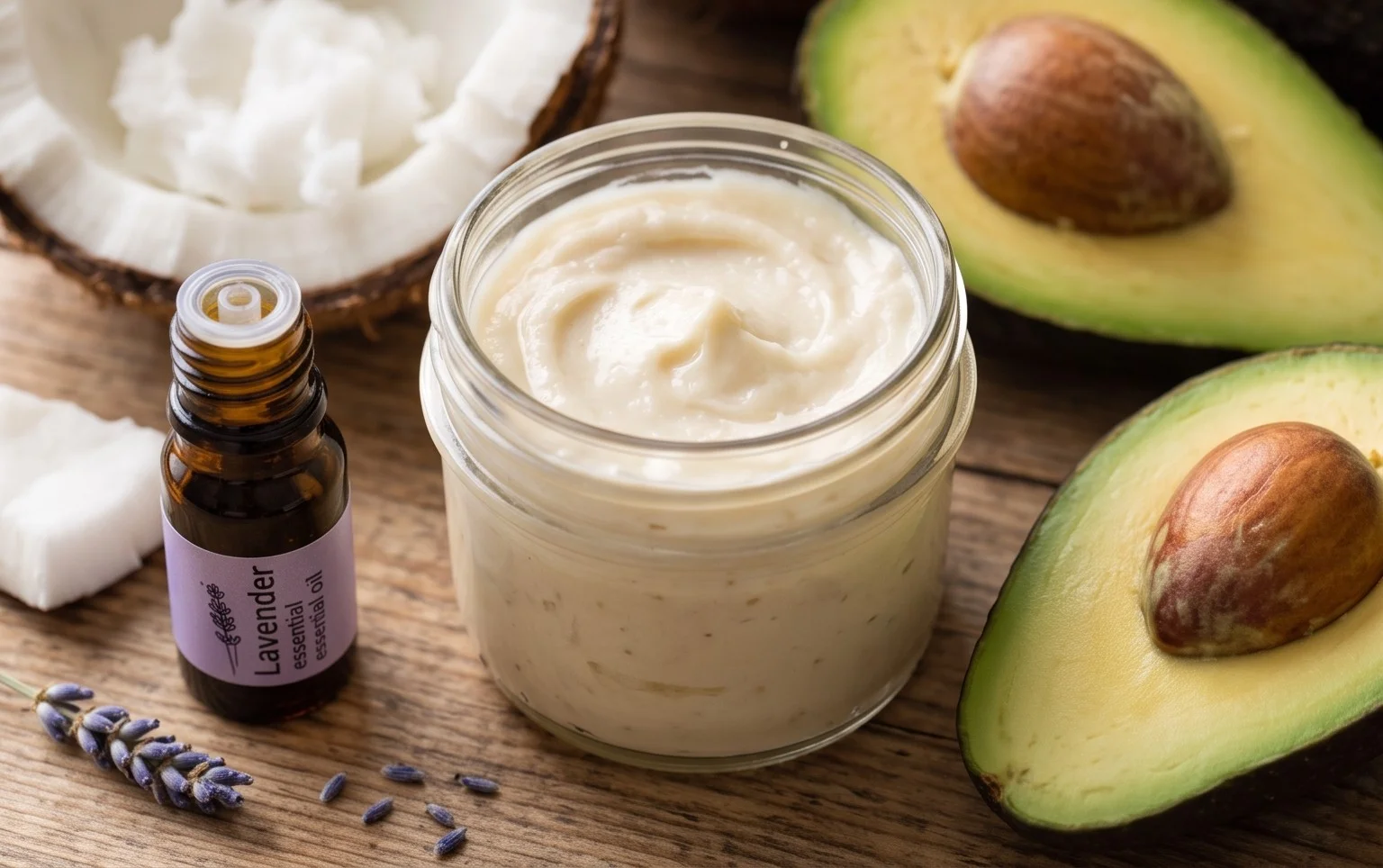
* **Moisturizing properties of oils:** Natural oils like coconut oil, olive oil, shea butter, and avocado oil are rich in fatty acids that can penetrate the hair shaft, providing deep hydration and reducing protein loss. Coconut oil, in particular, has been studied for its ability to reduce protein loss from hair, making it stronger.
* **Emollient properties of butters:** Shea butter and cocoa butter are excellent emollients, meaning they smooth and soften the hair, reducing frizz and improving manageability.
* **Hydration from humectants:** Ingredients like honey and aloe vera act as humectants, drawing moisture from the air into the hair. Honey also has antibacterial properties that can benefit scalp health.
* **Nutrient content of fruits and vegetables:** Ingredients like avocado and banana are rich in vitamins, minerals, and healthy fats that can nourish the hair shaft and scalp.
What the evidence does not definitively support or requires nuance:
* **Specific “miracle” ingredients for all hair types:** While certain ingredients are beneficial, their effectiveness can vary significantly based on individual hair porosity, density, and specific needs. What works wonders for one person might be too heavy or too light for another.
* **Overnight application of all ingredients:** While some oils can be left on overnight, other ingredients, particularly those with high sugar content like honey, can draw moisture *out* of the hair in very dry environments if not rinsed properly.
* **Universal cure for hair loss:** While a healthy scalp and well-nourished hair are crucial for optimal growth, homemade conditioners are primarily for improving hair condition and health, not for treating significant hair loss. Underlying medical conditions are the primary drivers of hair loss.
Common Myths Worth Correcting
Several myths surround natural hair care and homemade conditioners. Let’s debunk a few:
* **Myth 1: All natural oils are good for all hair types.**
* **Correction:** While natural oils are beneficial, their weight and penetration vary. Lighter oils like jojoba or grapeseed oil are often better for finer or lower porosity hair, while heavier oils like shea butter or castor oil might be too much. Experimentation is key.
* **Myth 2: Homemade conditioners are always superior to commercial ones.**
* **Correction:** High-quality commercial conditioners are formulated with expertise and undergo rigorous testing. Homemade conditioners offer customization and avoid certain chemicals, but they require knowledge of ingredients and can be less stable over time. It’s a matter of preference and what works best for your hair.
* **Myth 3: You need complex recipes for effective homemade conditioners.**
* **Correction:** Simple, single-ingredient treatments can be incredibly effective. For instance, a plain avocado mask or a coconut oil treatment can provide significant benefits without a long list of ingredients.
* **Myth 4: Rinse your hair thoroughly to get all the product out.**
* **Correction:** For natural hair, especially when using moisturizing ingredients, a slight residue can be beneficial. The goal is to condition, not to strip. Ensure the hair doesn’t feel greasy, but don’t aim for a squeaky-clean feel that might indicate moisture has been removed.
When to Seek Professional Advice
While homemade conditioners can be a wonderful way to nourish your natural hair, it’s important to recognize when professional help is needed. You should speak to a qualified healthcare professional or a dermatologist if you experience any of the following:
* Persistent and severe scalp irritation, redness, or itching that doesn’t improve with gentle care.
* Significant or sudden hair loss that is not clearly related to styling or environmental factors.
* Oozing, scaling, or painful sores on your scalp.
* Changes in hair texture that are drastic and unexplained.
* Concerns about underlying health conditions that might be impacting your hair and scalp, such as hormonal imbalances or nutritional deficiencies.
A qualified professional can accurately diagnose any underlying issues and provide personalized recommendations tailored to your specific health and hair needs. They can differentiate between simple dryness that a homemade conditioner can address and more complex medical conditions that require specific treatment.
Conclusion
Nourishing your natural hair doesn’t require complicated routines or expensive products. Creating your own homemade hair conditioner can be a simple, effective, and enjoyable way to provide your strands with essential moisture and nutrients. Remember, the key to healthy hair is consistency and gentle care. Instead of aiming for drastic overhauls, focus on incorporating small, sustainable changes into your hair care regimen. This approach allows you to discover what works best for your unique hair type and texture. Please remember that the information shared here is for general guidance only and should not be considered a substitute for professional medical advice. If you have specific concerns about your hair or scalp health, consult a qualified dermatologist or trichologist. We encourage you to continue exploring other topics related to natural hair care and holistic wellness for a comprehensive approach to your well-being.